
Paraguay is quietly becoming one of Latin America’s most compelling real estate investment destinations — not because of hype, but because of fundamentals.
While regional markets such as Buenos Aires or Medellín continue to experience currency volatility, political risk, or oversupply in certain residential segments, Asunción offers a rare combination of macroeconomic stability, low development costs, and consistently growing urban demand.
This article provides a data-driven investment analysis of Paraguay’s real estate market heading into 2026, with a specific focus on rental yields, pricing trends, district-level performance, and forward-looking risks.
Macroeconomic Drivers Behind Paraguay’s Property Boom
Unlike speculative markets driven by foreign capital inflows, Paraguay’s housing demand is primarily supported by:
- domestic population growth in urban areas
- infrastructure expansion in Greater Asunción
- growth of the services and logistics sectors
- rising middle-class purchasing power
Paraguay maintains one of the lowest public debt-to-GDP ratios in South America and has experienced steady GDP growth over the past decade. Inflation has remained comparatively controlled, and the local currency (PYG) has demonstrated lower long-term volatility than regional peers such as the Argentine peso.
This macroeconomic stability directly translates into:
✔ predictable rental income
✔ long-term capital preservation
✔ low foreclosure and vacancy risk
✔ steady absorption of new developments
Residential Property Pricing in Asunción (2024–2026)
New-build residential units in central districts of Asunción currently range between:
- $1,600 – $2,400 per m² in mid-tier developments
- $2,400 – $3,200 per m² in premium districts such as Villa Morra or Carmelitas
Compared to:
| City | Avg. New Build Price per m² |
|---|---|
| Miami | $4,500 – $7,000 |
| Medellín | $2,200 – $3,000 |
| Buenos Aires | $2,000 – $3,500 |
| Asunción | $1,600 – $2,800 |
This pricing gap presents a strong entry opportunity for international investors seeking exposure to dollar-denominated rental income in an emerging capital city.
Rental Yield Analysis: Long-Term vs Short-Term Strategy
Long-Term Rental Market
Demand for long-term rentals is driven by:
- relocating professionals
- international contractors
- diplomatic and NGO staff
- regional corporate tenants
Typical long-term gross rental yields in central Asunción currently range from:
➡ 6.2% to 8.5% annually
Vacancy rates remain low in districts with strong connectivity and lifestyle infrastructure, particularly in:
- Las Mercedes
- Barrio Jara
- Villa Morra
- Carmelitas
Short-Term Rentals (Airbnb Model)
Short-term rental performance has improved significantly due to:
- growth in regional tourism
- increased corporate travel
- medical tourism
- digital nomad migration
Well-located one- and two-bedroom units in modern developments with amenities such as:
- rooftop pool
- coworking space
- gym
- 24/7 concierge
can generate:
➡ 8% to 11% gross annual yield (depending on occupancy and management quality)
District-Level Investment Outlook
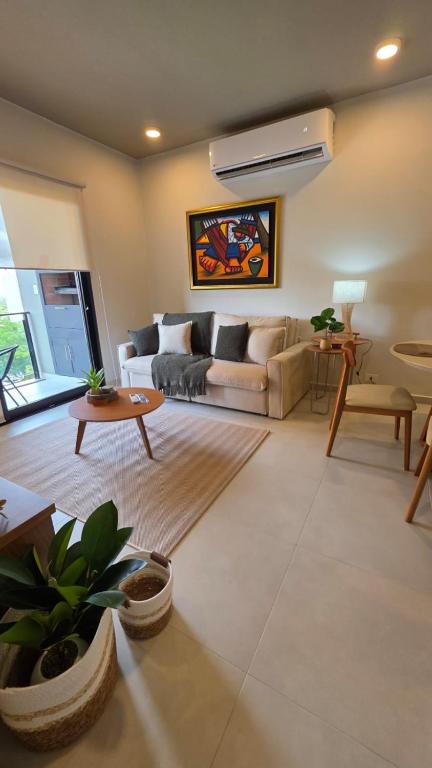
Las Mercedes
A fast-transforming residential district attracting young professionals and long-term tenants. New mid-rise developments offer competitive entry pricing and strong absorption rates.
Villa Morra
Premium residential and commercial hub with stable tenant demand and above-average rental pricing. Suitable for investors prioritizing tenant quality and long-term capital appreciation.
Barrio Jara
Emerging investment hotspot currently undergoing redevelopment. Offers lower acquisition costs and strong upside potential over the next 3–5 years.
Carmelitas
Business-oriented district with consistent demand from corporate tenants. Lower vacancy risk but higher entry pricing.
Supply Pipeline and Oversupply Risk
Unlike overheated markets in parts of Brazil or Colombia, Paraguay’s development pipeline remains:
- fragmented across smaller developers
- largely demand-driven
- limited by financing availability
This reduces the probability of systemic oversupply in the residential segment. However, investors should monitor:
⚠ project delivery timelines
⚠ construction quality standards
⚠ developer track record
⚠ HOA fee structures
Asset selection remains critical to long-term performance.
Investment Forecast: 2026–2030
Based on current trends:
- residential property values in central Asunción are expected to grow by 4%–7% annually
- rental demand is projected to increase alongside foreign residency migration
- infrastructure projects may further improve district-level price differentials
Asunción is unlikely to deliver speculative short-term appreciation — but it offers something increasingly rare in emerging markets:
➡ stability
➡ rental consistency
➡ low leverage risk
➡ high livability at low cost
Why Paraguay Real Estate in 2026 Offers One of Latin America’s Most Undervalued Investment Opportunities
Paraguay’s real estate market is not built on speculation — it is built on fundamentals.
In an era where many global property markets are facing affordability crises, excessive leverage, or regulatory uncertainty, Asunción stands out as a capital city where entry prices remain accessible, rental demand continues to grow, and long-term macroeconomic conditions favor stability over volatility.
For international investors seeking:
- geographic diversification
- dollar-linked rental income
- inflation-resistant hard assets
- and exposure to an underpenetrated Latin American market
Paraguay presents a compelling case for strategic capital allocation.
For investors seeking geographic diversification and income-producing real estate in Latin America, Paraguay represents a structurally underpriced market with long-term growth potential.
The key lies not in timing the market — but in selecting the right asset in the right district with the right rental strategy.
Frequently Asked Questions: Paraguay Real Estate Investment in 2026
1. Is Paraguay a good place to invest in real estate in 2026?
Yes. Paraguay offers a combination of low property acquisition costs, stable macroeconomic fundamentals, and relatively high rental yields compared to other Latin American capital cities. Asunción in particular benefits from growing urban demand and increasing foreign investor interest.
2. What are the average property prices in Asunción in 2026?
New residential developments in central districts of Asunción typically range between $1,600 and $2,800 per square meter, depending on the location, building amenities, and developer quality.
3. What rental yields can investors expect in Paraguay?
Long-term rental yields in Asunción generally range from 6% to 8.5% gross annually, while short-term rental strategies such as Airbnb can generate between 8% and 11%, depending on occupancy rates and property management efficiency.
4. Which districts in Asunción offer the best investment potential?
Key investment districts include:
- Las Mercedes – strong long-term rental demand
- Villa Morra – premium pricing and stable tenants
- Carmelitas – business-oriented rental market
- Barrio Jara – emerging area with capital appreciation potential
5. Can foreigners legally buy property in Paraguay?
Yes. Foreign investors are allowed to purchase and own real estate in Paraguay with the same ownership rights as local citizens, without the need for residency or local partners.
6. Is the Paraguayan real estate market oversupplied?
Currently, Paraguay’s residential development pipeline remains demand-driven and limited by financing availability. This reduces the likelihood of systemic oversupply seen in some regional markets.
7. What types of properties perform best for rental income?
Modern one- and two-bedroom apartments located in central districts with amenities such as coworking areas, rooftop pools, and 24/7 security tend to perform best in both long-term and short-term rental markets.
8. How does Asunción compare to other Latin American cities for investment?
Compared to cities like Buenos Aires or Medellín, Asunción offers lower entry prices, less currency volatility, and more stable long-term rental demand.
9. What are the main risks of investing in Paraguay real estate?
Investors should carefully evaluate:
- developer track record
- project delivery timelines
- construction quality
- homeowner association (HOA) fees
Proper due diligence remains essential to minimizing investment risk.
10. What is the long-term forecast for Paraguay’s property market?
Residential property values in central Asunción are projected to grow between 4% and 7% annually through 2030, supported by infrastructure development and rising demand from foreign residents.